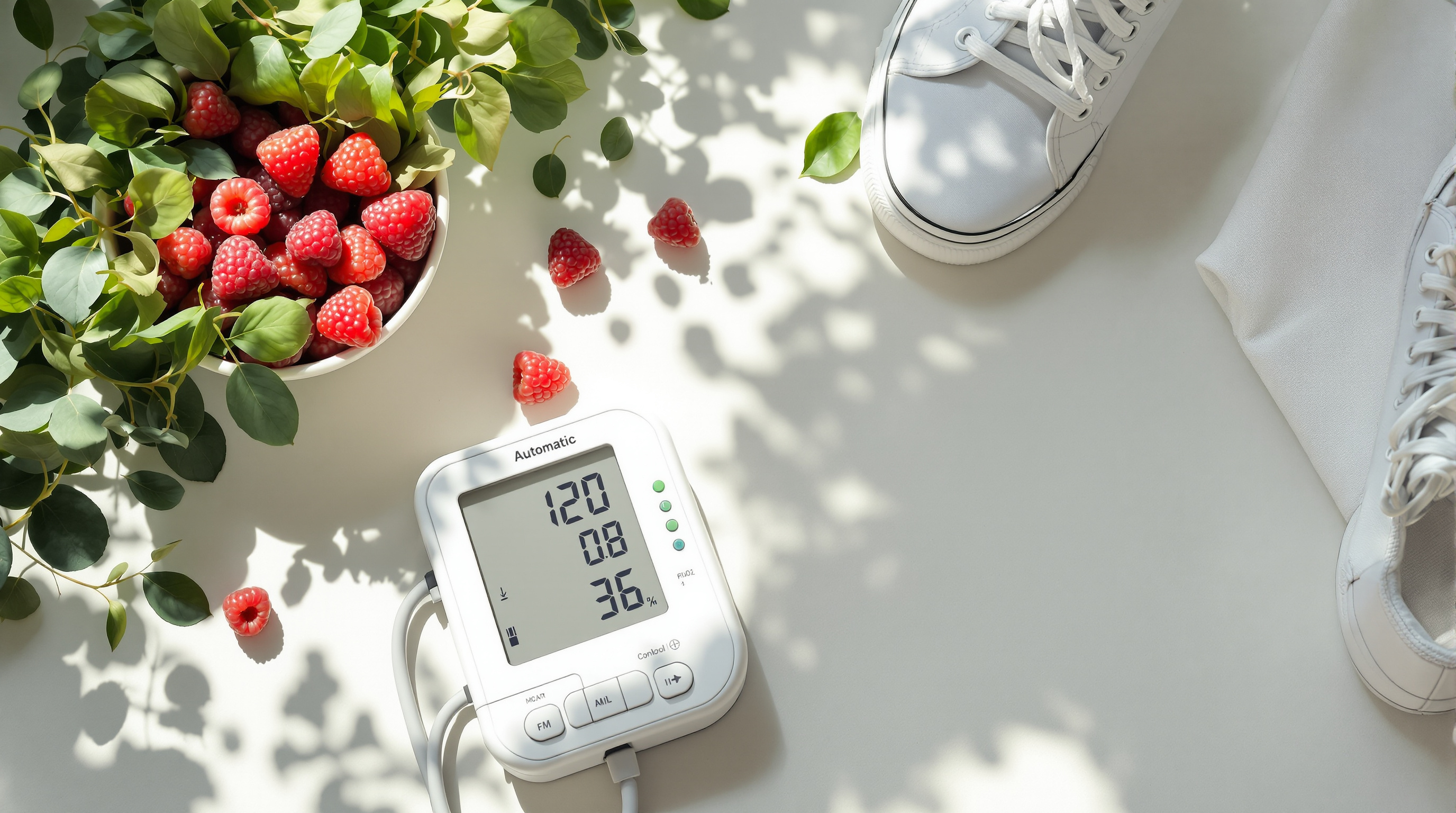
Understanding High Blood Pressure
High blood pressure, also called hypertension, is one of the most common health conditions — and one of the most important to take seriously. It usually causes no symptoms, which is why it is often called "the silent killer," yet over time it raises the risk of heart attack, stroke, kidney disease and other serious problems. The good news is that high blood pressure can almost always be controlled.
What the Numbers Mean
Blood pressure is written as two numbers, such as 120/80. The first (systolic) number is the pressure when the heart beats; the second (diastolic) number is the pressure when the heart rests between beats. In general, lower is better within a healthy range. A single high reading does not mean you have hypertension — a diagnosis is based on several readings over time.
The American Heart Association's October 2026 release reports that high blood pressure affects more than 125 million U.S. adults, about 47%. The 2025 AHA/ACC guideline, published in August, replaces the 2017 guideline and is intended as a living document for clinicians.
If your provider has asked you to track readings, the guide to measuring blood pressure at home explains validated monitors and the measurement setup described by the AHA.
Why High Blood Pressure Is Dangerous
When blood pushes too hard against artery walls for a long time, it strains the heart and damages blood vessels throughout the body. Over years this can lead to:
- Heart attack and heart failure
- Stroke
- Kidney damage
- Vision problems
Because there are usually no warning signs, the only way to know your blood pressure is to have it measured.
Who Is at Risk?
Several factors raise the risk of developing high blood pressure:
- A family history of hypertension
- Being overweight or physically inactive
- A diet high in sodium (salt)
- Drinking too much alcohol
- Increasing age
- Tobacco use
Controlling Your Blood Pressure
For many people, healthy habits can prevent or control high blood pressure — sometimes alongside medication prescribed by a doctor. Helpful steps include:
- Eat well. Favor vegetables, fruit, whole grains and low-fat foods, and limit sodium. See our article on sodium and salt and Eating for a Healthy Heart.
- Stay active. Regular physical activity, such as brisk walking, helps lower blood pressure.
- Maintain a healthy weight. Even modest weight loss can help.
- Limit alcohol and avoid tobacco.
- Take medications as prescribed and keep regular check-ups.
Authoritative Resources
For more on managing blood pressure, see the American Heart Association, the CDC's High Blood Pressure information, and the National Heart, Lung, and Blood Institute.
Related reading: Lowering High Blood Cholesterol, Diabetes, and Eating for a Healthy Heart. Return to the health article index.