Eating for a Healthy Heart
Your heart beats around one hundred thousand times a day, quietly powering everything you do. Taking care of it is one of the most valuable investments you can make in your health — and much of that care comes down to everyday choices about food and movement. This article looks at how to eat and live for a healthy heart.
How Diet Affects Your Heart
What you eat influences several of the biggest risk factors for heart disease — your blood cholesterol, your blood pressure, your weight and your blood sugar. A heart-healthy pattern of eating helps keep all of these in a healthy range, lowering the long-term risk of heart attack and stroke.
Foods That Protect Your Heart
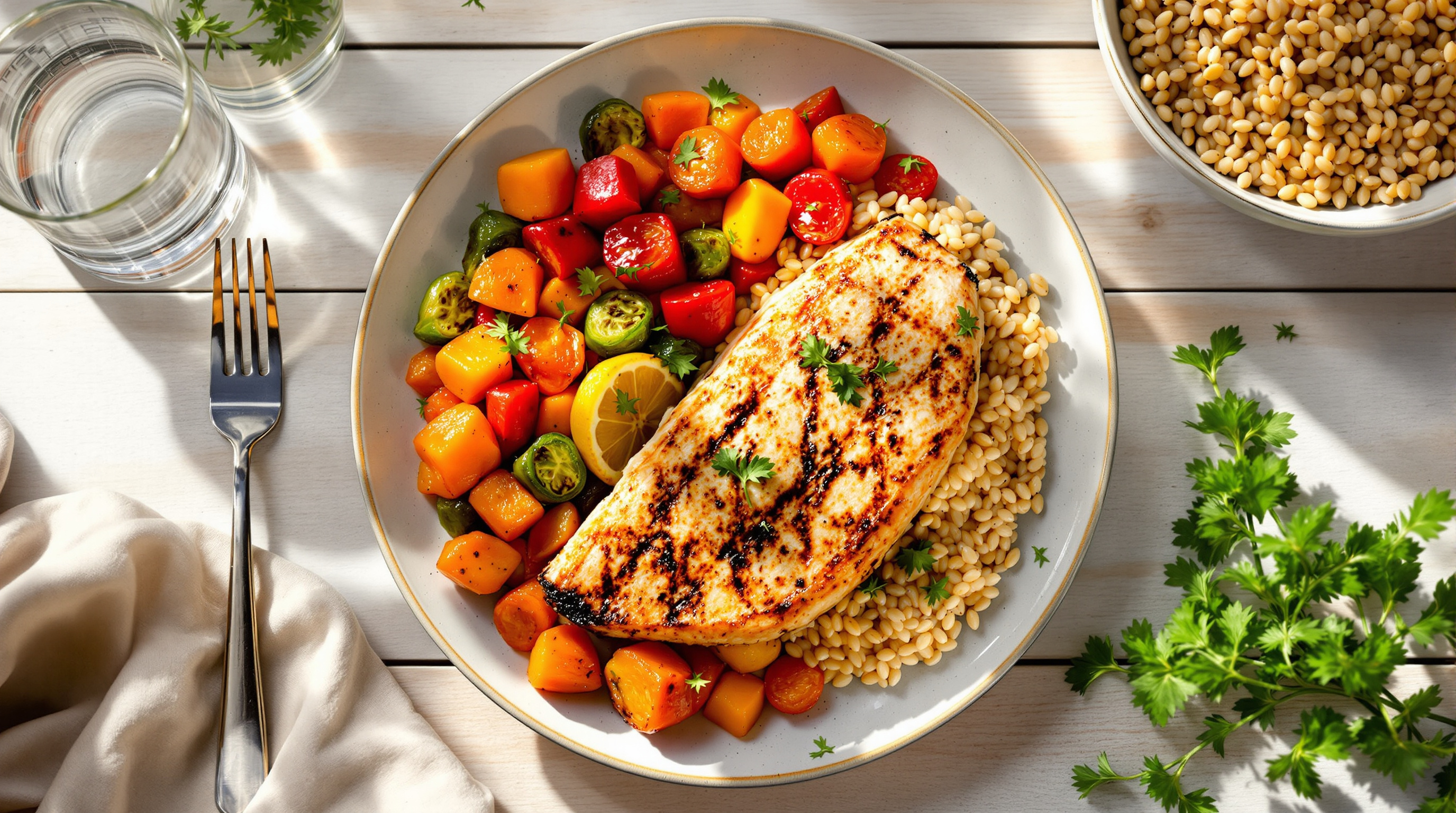
- Vegetables and fruit — aim to fill half your plate, in a range of colors.
- Whole grains — choose whole-grain bread, brown rice, oats and other whole grains over refined ones.
- Healthy fats — favor sources such as fish, nuts, seeds, avocado and olive oil over saturated and trans fats.
- Lean proteins — fish, poultry, beans and legumes.
- Fiber — see our article on dietary fiber for why it matters and where to find it.
Foods to Limit
- Sodium — too much salt can raise blood pressure; see Sodium, Salt and Your Health.
- Saturated and trans fats — found in fatty meats, full-fat dairy and many fried and packaged foods.
- Added sugars — in sugary drinks, sweets and many processed foods.
Eating Patterns That Put It All Together
You do not have to assemble a heart-healthy diet from scratch. Two well-studied patterns do most of the work for you: the Mediterranean pattern, built around vegetables, legumes, whole grains, olive oil and fish; and the DASH pattern (Dietary Approaches to Stop Hypertension), designed specifically to help manage blood pressure through more produce and low-fat dairy and less sodium and saturated fat. Both are backed by decades of research, and both are flexible enough to adapt to most cuisines and budgets — pick whichever fits the way you already like to eat, and ease into it.
Beyond the Plate
A heart-healthy diet works best alongside other good habits:
- Be physically active most days — even regular walking helps.
- Maintain a healthy weight.
- Avoid tobacco and limit alcohol.
- Manage stress and get enough sleep.
- Keep regular check-ups and know your numbers.
Authoritative Resources
For trusted, detailed guidance on heart-healthy living, see the American Heart Association, the National Heart, Lung, and Blood Institute, and the CDC's heart disease resources.
Related reading: Understanding High Blood Pressure, Lowering High Blood Cholesterol, and Nutrition Basics. Return to the health article index.