Sodium, Salt and Your Health
Sodium is an essential mineral — your body needs a small amount to balance fluids and help nerves and muscles work. The problem is that most people get far more than they need, and over time a high-sodium diet can raise blood pressure and strain the heart and kidneys. The encouraging news is that cutting back is one of the most effective dietary changes you can make for your heart.
Sodium and Salt: What's the Difference?
The terms are often used interchangeably, but they are not quite the same. Table salt (sodium chloride) is the most common source of sodium in the diet, but sodium is also present in many other ingredients and additives. When reading labels, the figure to watch is the milligrams of sodium.
Why Too Much Sodium Is a Problem
Excess sodium causes the body to hold onto more water, which raises the volume of blood and, in many people, raises blood pressure. High blood pressure, in turn, is a leading risk factor for heart attack, stroke and kidney disease. Reducing sodium can help lower blood pressure, especially in people who are sensitive to salt.
Where the Salt Really Comes From
Many people assume the salt shaker is the main culprit, but most dietary sodium actually comes from packaged, processed and restaurant foods — breads, cured meats, soups, sauces, snacks and many convenience meals. That means the biggest gains often come from choosing and preparing foods differently, not just using less salt at the table.
The FDA reports that over 70% of dietary sodium comes from packaged and prepared foods. Its food-supply sodium review puts average U.S. intake at about 3,400 milligrams a day, with 90% of Americans eating more than recommended. In August 2024, the agency issued draft voluntary targets for 163 food categories; if achieved, these would bring average intake to about 2,750 milligrams a day. These targets concern the food supply. The guide to reading food labels for sodium explains the separate Daily Value.
How Much Is Recommended?
General guidance for adults is to limit sodium to well under the amount most people currently consume; many health authorities suggest aiming for no more than about 2,300 milligrams per day, with a lower target often advised for those with high blood pressure. Your healthcare provider can tell you what is right for you.
Practical Ways to Cut Back
- Cook more meals at home, where you control the salt.
- Read nutrition labels and compare sodium between brands.
- Choose fresh or frozen vegetables over canned, or rinse canned foods.
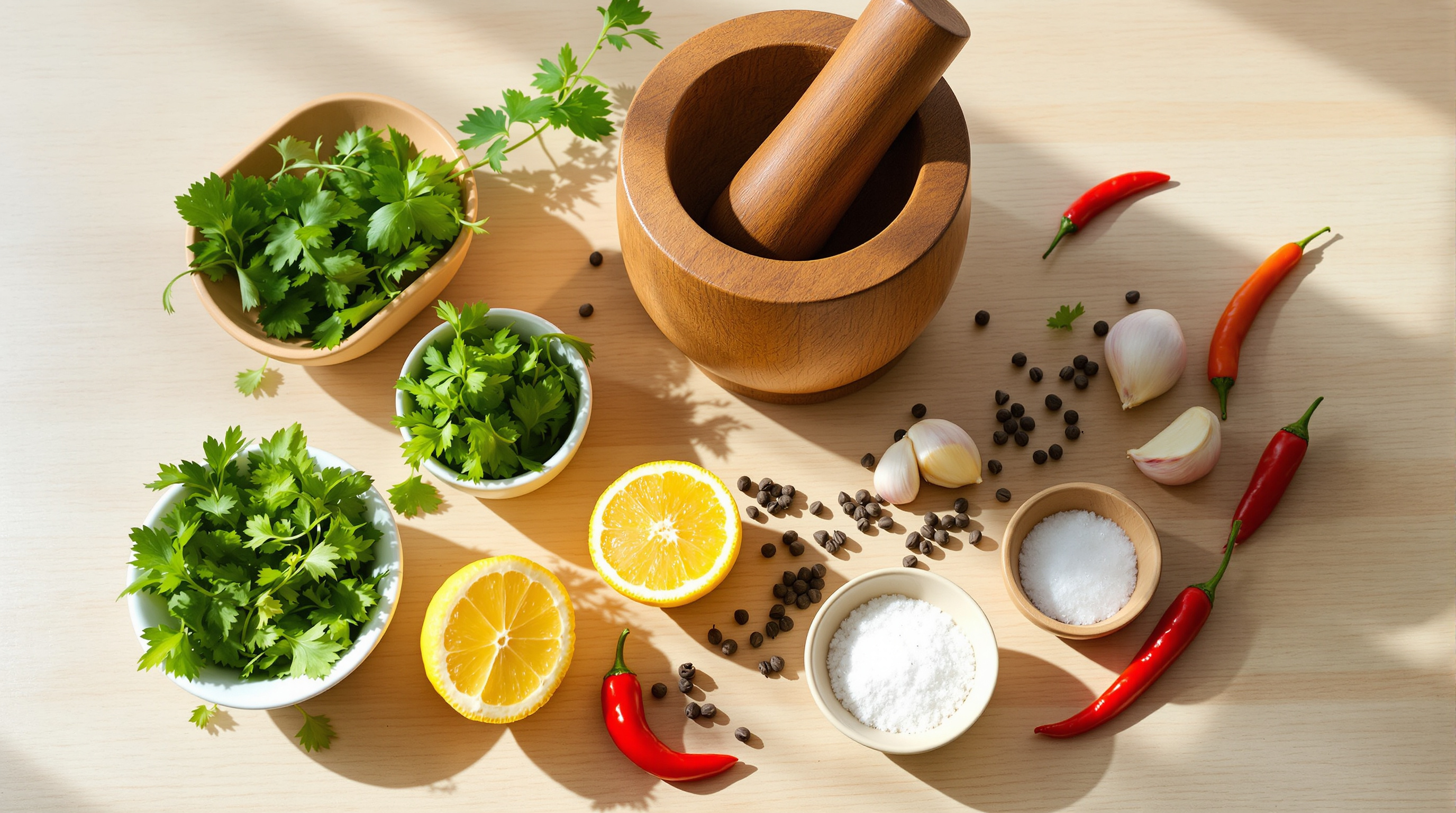
- Season with herbs, spices, citrus and garlic instead of salt.
- Cut back gradually — your taste for salt adjusts over a few weeks.
Authoritative Resources
For more on sodium and health, see the CDC's sodium resources, the American Heart Association, and the U.S. Food and Drug Administration.
Related reading: Understanding High Blood Pressure, Eating for a Healthy Heart, and Nutrition Basics. Return to the health article index.