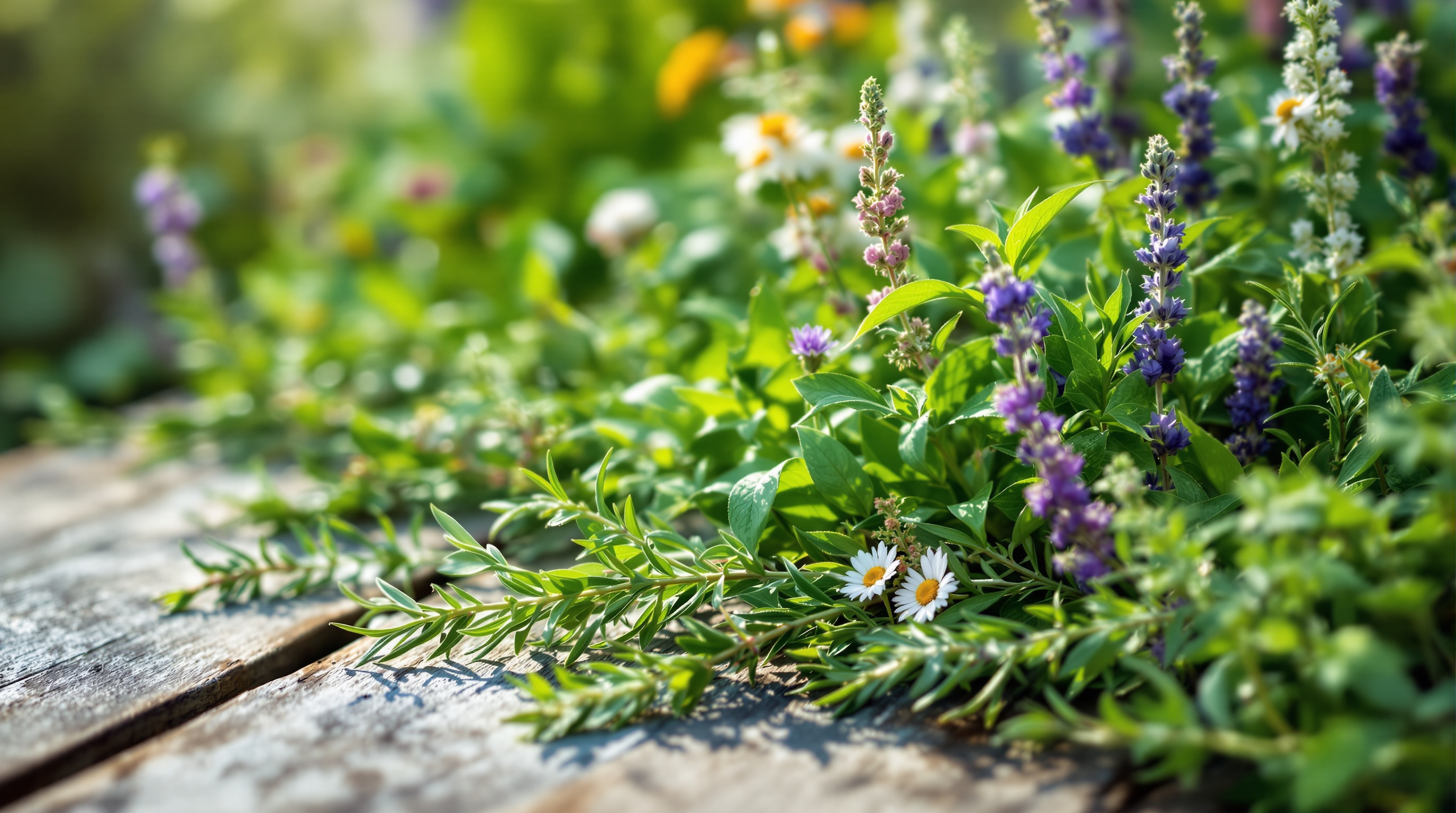
Western Herbal Medicine: A Multimedia Reference
This multimedia reference on Western herbal medicine was created for everyone involved in health care — practitioner or patient — and is designed to introduce the skilled, considered use of herbal medicines within a holistic perspective. For thousands of years medicinal plants have been at the core of relieving suffering and promoting health; in Europe the accumulated knowledge is practiced under the name phytotherapy. This title brings that tradition together with photographs, narration and a comprehensive text.
What the Reference Covers
The work is organized to take a reader from first principles to specific plants:
- Basic Principles of Herbalism — the philosophy and framework of plant medicine.
- Selection Criteria & Phyto-Pharmacology — how herbs are chosen and how their constituents act.
- Classification of Medicinal Plants — organizing the materia medica.
- Formulation & Preparation — how herbal medicines are prepared, and the strengths of various actions.
- Human Systems — herbal approaches organized by body system: digestive, cardiovascular, respiratory (upper and lower), nervous, urinary, reproductive, musculo-skeletal and skin.
- Immunity, Holism & Phytotherapy — the holistic view of health, and phytotherapy for children and the elderly.
- Herbal Actions — the main herbal actions and their mechanisms, with primary herbal examples and secondary actions.
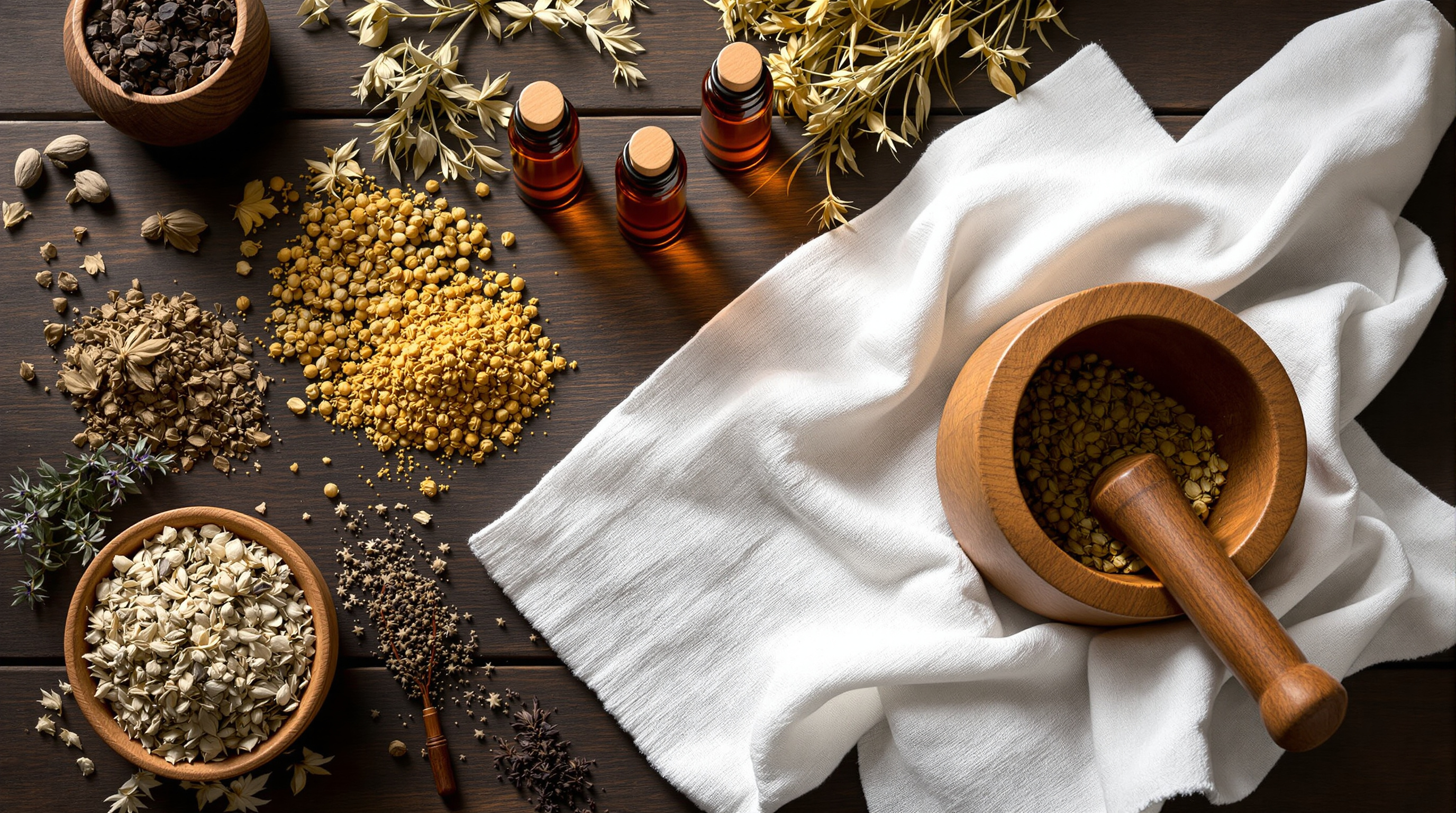
The Materia Medica
At the heart of the reference is an A-to-Z materia medica with scientific citations, a herbal glossary, English-to-Latin and Latin-to-English terms, common prefixes and suffixes, herb names and plant taxonomy. The work includes well over a hundred color photographs of herbs, musical interludes, and a narrated walk through a herb garden — an approach intended to make a technical subject approachable.
Phytotherapy Today
Interest in plant-based and complementary medicine remains strong, and the science of how botanicals work continues to advance. Readers who want authoritative, evidence-based information on the safety and effectiveness of specific herbs should consult the National Center for Complementary and Integrative Health at NCCIH (Herbs at a Glance), and the National Library of Medicine's MedlinePlus herbs and supplements guide.
Explore More
This reference pairs naturally with our guide to Traditional Chinese Medicine and the rest of our health titles. For free reading on herbs, vitamins and natural health, visit the health article index.